
The first national Recovery Friendly Workplace initiative
A Safer, Stronger Workforce Starts Here. Become a Recovery Friendly Workplace.
Support employees affected by substance use disorder, improve recruitment and retention, and create a safer, stronger, more resilient workplace.





Leaders setting the standard, certified companies and partners nationwide









The Need
Meaningful employment is a cornerstone of recovery
As the United States continues to be challenged by substance use disorder and drug poisonings, the latest research shows that a key component of maintaining recovery is meaningful employment. Yet the workplace has been slow to address how it can support employees who are in recovery, or in need of it.
Despite substance use disorder being a chronic, life-threatening condition, people affected by it may not be supported by their employers the same way as employees facing cancer, heart disease, or diabetes.
- 23M+Americans in recovery from substance use disorder
- 70%of people with substance use disorder are employed
- 14M+people in recovery currently in the workforce
Figures reflect widely cited national estimates provided in RFW Institute source materials.
Why it matters
A workplace can change the course of recovery
Substance use disorder is a chronic, treatable health condition affecting millions of workers. Employers are uniquely positioned to help.
The challenge
Despite substance use disorder being a chronic, life-threatening condition, many affected employees are not supported by their employers the way those with other health conditions are.
The movement
A grassroots movement of employers, advocates, elected officials, and service providers has joined forces, backed by the White House, to promote recovery in the workplace nationwide.
What a Recovery Friendly Workplace is
A national initiative to make every workplace recovery friendly
A Recovery Friendly Workplace is a place of work where the employer, in collaboration with employees, establishes, maintains, and continually enhances policies, practices, and a culture that support current and prospective employees in recovery from, or otherwise affected by, substance use disorders.
Global Recovery Initiatives Foundation (GRI), a 501(c)(3) not-for-profit, launched the National Recovery Friendly Workplace Institute, the first national public- and private-sector initiative to help equip every employer to be a Recovery Friendly Workplace. Its formation was announced at a formal White House press briefing, and it is the only body that nationally certifies employers as Recovery Friendly Workplaces.
Become a Certified Recovery Friendly Workplace
National certification recognizes your organization as an industry leader in supporting recovery, strengthening workforce stability, employee satisfaction, and corporate reputation.
Start your certification
Why certify
Recovery friendly is good for people and for business
Certification is more than a badge. It is a proven framework that supports employees and strengthens organizations.
A culture your employees already want
A 2022 national survey of full-time employees found that people in the workforce are not only comfortable working with people in recovery, but supportive of those seeking it. Employees want a workplace where substance use disorder is treated like any other health condition.
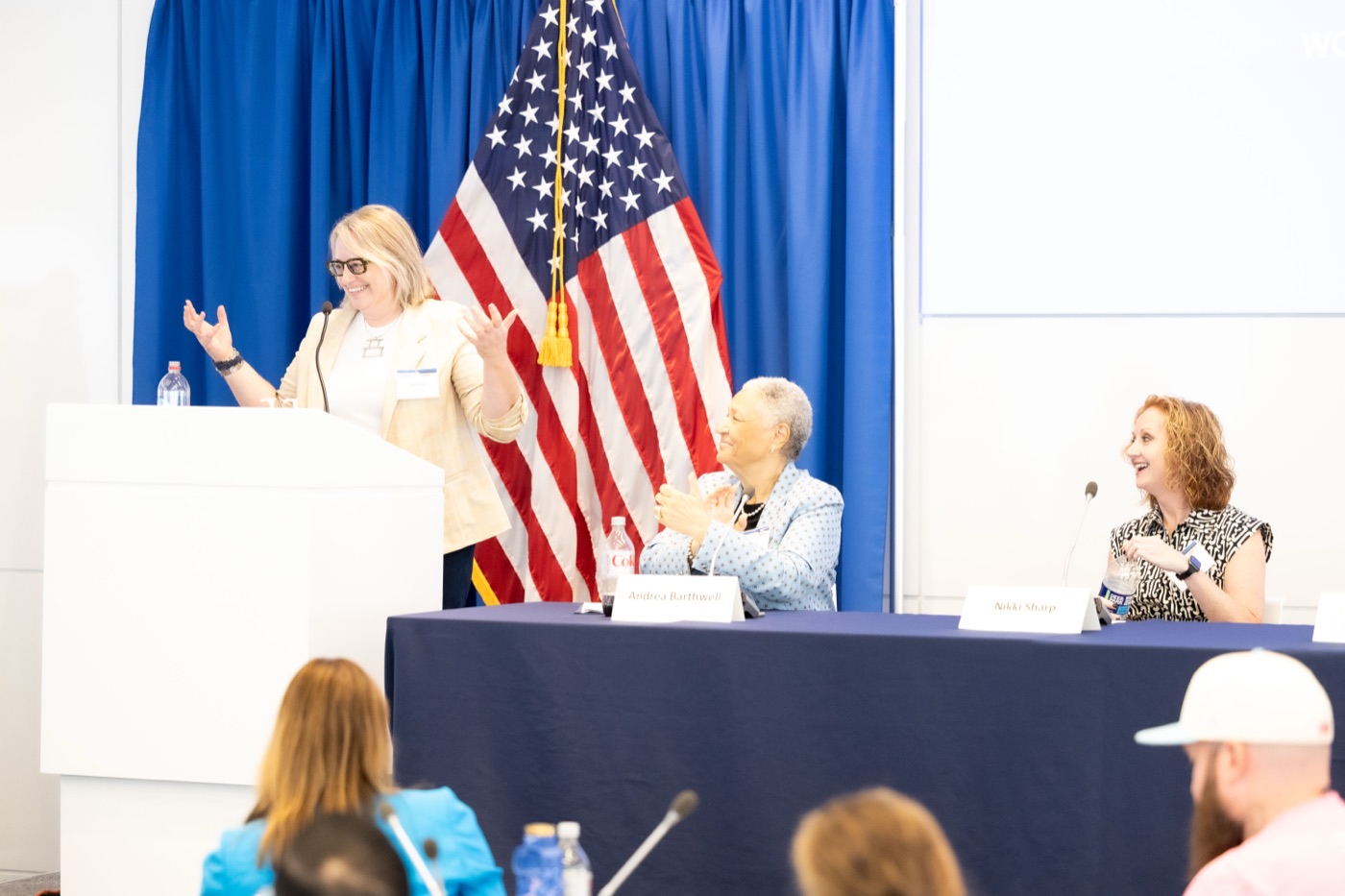
Recognition, retention, and reputation
Certified workplaces gain recognition as industry leaders, enhancing employee satisfaction, workforce stability, and corporate reputation, while helping reduce turnover and improve productivity.

The certification framework
Certification is built on four key areas

Focus area 01
Culture
Building a workplace culture where seeking help is safe, supported, and free of stigma.

Focus area 02
Hiring & Retention
Fair, recovery-inclusive practices that help employers attract and keep talented people.
Focus area 03
Benefits
Health and workplace benefits that treat recovery at parity with other chronic conditions.

Focus area 04
Education & Awareness
Ongoing training that equips managers and teams to recognize and respond with confidence.
What a Recovery Friendly Workplace does
Six commitments that define a Recovery Friendly Workplace
- 01
Equips its people
With knowledge, tools, and resources about substance use disorder and recovery.
- 02
Challenges stigma
Through education, discussion, and training that address bias head-on.
- 03
Treats recovery equitably
With procedures and policies that treat SUD like any other chronic health condition.
- 04
Provides real support
For employees seeking or maintaining recovery, and for their loved ones.
- 05
Builds a safe culture
Where asking for help is comfortable and free from fear.
- 06
Earns certification
Achieving National Recovery Friendly Workplace Certification.
Meaningful employment is a cornerstone of recovery
A national priority
Recognized in the 2026 National Drug Control Strategy
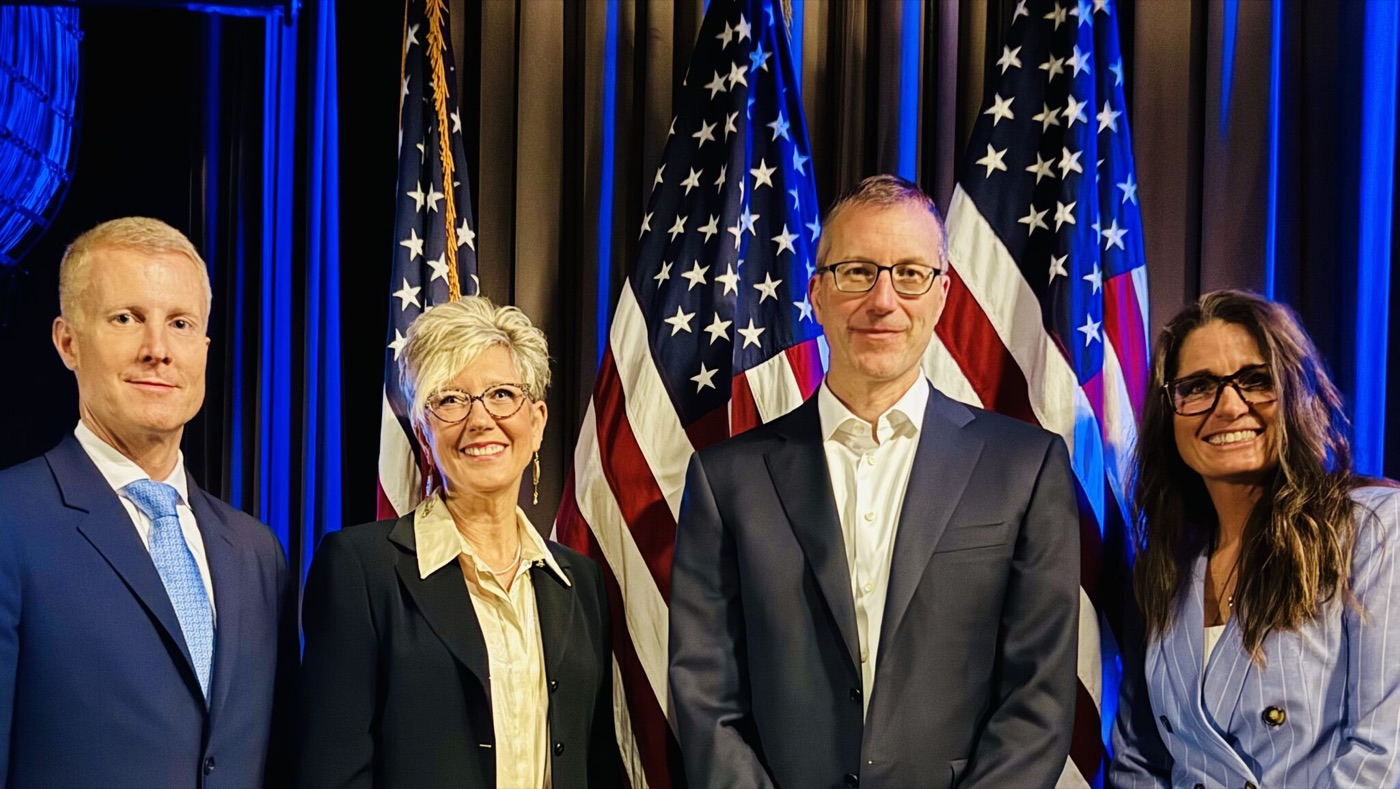
The White House Office of National Drug Control Policy has recognized the Institute and established certification as a metric of success in the 2026 National Drug Control Strategy, reinforcing that Recovery Friendly Workplaces are central to addressing substance use disorder in the United States. This work is bipartisan, uniting leaders across sectors to strengthen the workforce and support recovery.
Get started
Find your path to a recovery friendly nation
Whether you employ a team, lead a state or partner organization, or want to help the movement grow, there is a way for you to get started today.
For Employers
Become a Certified Recovery Friendly Workplace
Become a Certified Recovery Friendly Workplace and strengthen your workforce.
Start CertificationFor States & Partners
Launch or expand an initiative
Launch or expand a state or local Recovery Friendly Workplace initiative.
Partner With UsFor Supporters
Help the movement grow
Help expand Recovery Friendly Workplaces nationwide.
Support the Work
People in the workforce are not only comfortable working with people in recovery, but supportive of people seeking it. Employees want a workplace culture in which substance use disorder is treated like any other health condition.
Finding of a 2022 national survey of full-time employees
FAQ
Common questions
What is a Recovery Friendly Workplace?
+
A Recovery Friendly Workplace is a place of work in which the employer, in collaboration with employees, establishes, maintains, and continually enhances policies, practices, and a culture and work environment that are supportive of current and prospective employees in recovery from, or otherwise affected by, substance use disorders.
Who runs the Institute?
+
The National Recovery Friendly Workplace Institute is an initiative of Global Recovery Initiatives Foundation (GRI), a 501(c)(3) not-for-profit organization that houses and operates the Institute. It is the only body that nationally certifies employers as Recovery Friendly Workplaces.
How did the movement start?
+
The White House National Drug Control Strategy identified supporting recovery as a key component of the national response to substance use disorder. The formation of the Institute was announced at a formal White House press briefing, and the 2026 National Drug Control Strategy recognized the Institute and established certification as a metric of success.
Where does the Institute operate?
+
The Institute operates nationally, partnering with businesses and organizations across the United States. It collaborates with state-led Recovery Friendly Workplace initiatives, industry leaders, and communities to implement recovery-friendly practices in workplaces of all sizes and sectors.
Why does it matter?
+
Substance use disorder affects millions of workers, impacting businesses and communities alike. By promoting Recovery Friendly Workplaces, the Institute helps reduce stigma, increase employee support, and create healthier, more productive work environments, leading to improved well-being, reduced turnover, and a stronger workforce.
Ready to become a Recovery Friendly Workplace?
Join the employers building a recovery friendly nation. Start your certification, or support the movement that makes it possible.